Smart Hajj

Supporting smarter, healthier, safer Hajj journeys.

Smart Hajj is designed as an HBC-enabled gateway to help care teams watch over pilgrims' wellbeing, notice potential concerns earlier, and provide timely, compassionate support when it may be needed.

SMART HAJJ Live wellbeing
Connected
Temperature trend

A rising trend can prompt an earlier comfort, hydration, or heat-exposure check.

Four signals that help teams notice change sooner.

Each signal offers a different view of a pilgrim's wellbeing during physically demanding Hajj conditions.

Live trend

Body Temperature

36.8C

Tracks temperature trends that may reflect heat exposure or illness-related change.

Why it matters during Hajj

Heat, sun exposure, and long walking periods can place extra strain on the body. A rising trend can prompt an earlier wellbeing check.
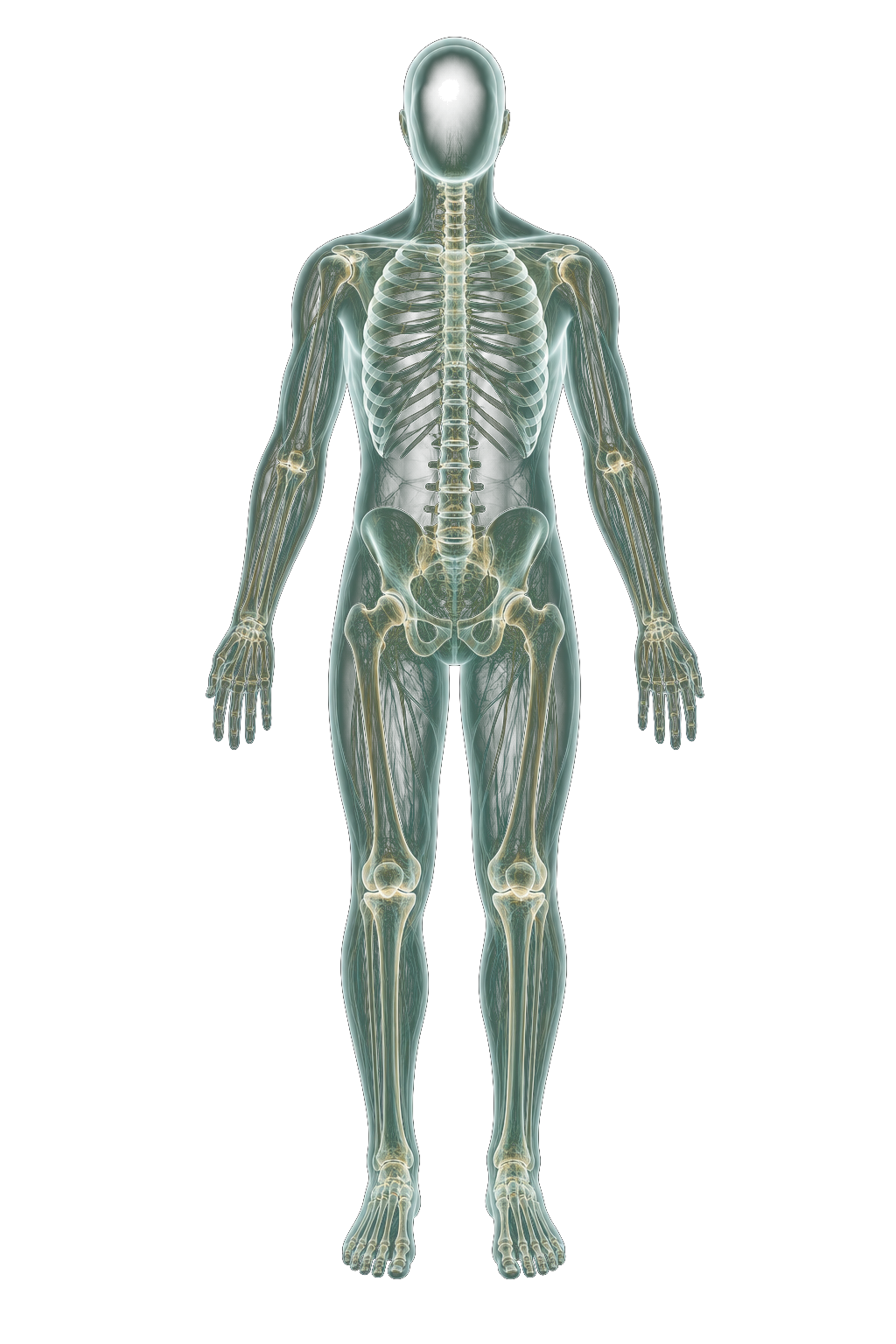

From wearable signals to research insight.

Smart Hajj carries pilot telemetry from wearable nodes through a mobile gateway to participant files and research monitoring tools.

01
Wearable layer

Sensor nodes

02
Gateway layer

Mobile gateway

SMART HAJJ Live session
4 / 4
TX RX TX RX
Participant ID PILGRIM-021
Temp HR ECG IMU
03
Research layer

Server & dashboard

Participant filesPILGRIM-021 / 3 sessions
Prototype monitoring Activity: Walking
Risk: Low
Activity + risk indicators return to the mobile app
Wearable sensor nodes

A chest TX node captures ECG and heart rate while a wrist RX node captures temperature and movement data.

Research prototype · not for diagnosis

Designed for the demands of the journey.

Adaptive sensing explores how lightweight wearables can support longer operation and earlier wellbeing checks in demanding Hajj conditions.

Pilgrims moving through the Grand Mosque in Mecca at dusk
TX Chest ECG + heart rate
RX Wrist Temperature + movement
24+ hourdesign target Pending battery validation
Adaptive sensing windows

The current protocol supports 5–40 second capture windows and Tx, Rx, or paired System Modes, so teams can collect only the signals needed for each session.

Available in the current session protocol

Smart Hajj is a research prototype. HBC, deep-sleep, and 24+ hour operation remain field-development targets and require hardware validation.

What makes Smart Hajj different.

Human Body Communication, or HBC, uses the body as a short-range communication path between wearable nodes. In Smart Hajj, this research direction lets a chest transmitter explore forwarding ECG and heart-rate data toward a wrist receiver before the phone gateway uploads a complete session.

Body-coupled sensor link

Instead of treating every wearable as an always-on radio, HBC explores a body-coupled path between the chest TX node and wrist RX node.

TX ChestECG + heart rate RX WristTemperature + movement
Near-body pathsensor-to-sensor research link Duty-cycled BLEgateway transfer windows Ultra-low powerHBC chip research target

Before installing the beta.

Answer

What can Smart Hajj do?

Smart Hajj connects compatible wearable sensor nodes to a mobile gateway so authorized research teams can review temperature, heart-rate, ECG, and movement sessions, organize pseudonymous participant data, and explore prototype activity or risk indicators that may support earlier wellbeing checks. It is a research prototype, not a medical device, and must not be used for diagnosis, emergency triage, or as the sole basis for medical decisions.

Status Research monitoring support

Not for diagnosis or emergency response

TestFlight External Testing is Available

Invited testers can open the installation guide and join the current Smart Hajj external testing program from a physical iPhone or iPad.

Click here to install View Support